
Laser Removal
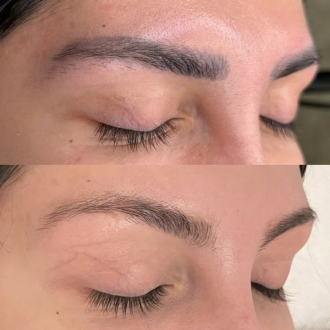
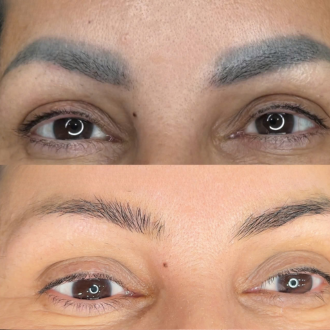
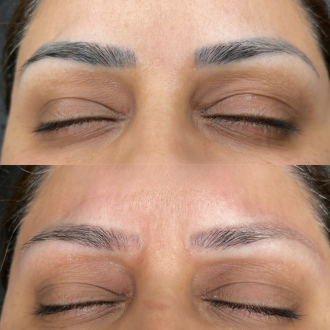
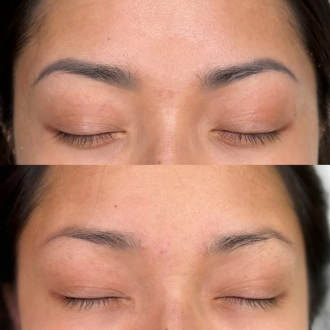
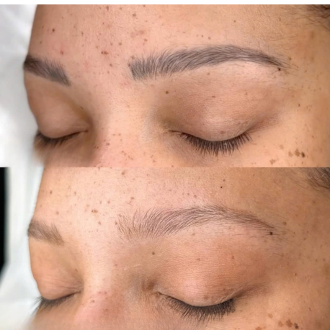
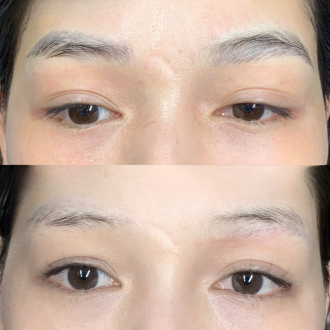
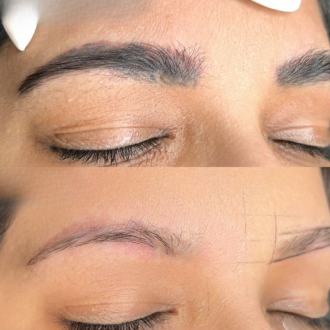
Laser tattoo removal is a non-invasive cosmetic procedure that uses targeted laser energy to break down and remove unwanted permanent makeup, such as cosmetic tattoos, from the skin. This technique is particularly effective for removing semi-permanent makeup, including eyebrow tattoos, eyeliner tattoos, and lip blushing tattoos.
30 minutes/treatment
Pre-treatment instructions
- Consultation: schedule a consultation with a qualified laser technician or dermatologist; discuss medical history, health conditions, and medications.
- Sun protection: avoid prolonged sun exposure to the tattooed area for at least four weeks before the procedure.
- No tanning beds: avoid tanning beds in the weeks leading up to laser removal.
- Avoid topical products: do not apply creams, lotions, or makeup to the tattooed area on the day of the procedure.
- Discontinue certain medications: inform your technician about any photosensitizing or relevant medications.
- No recent cosmetic procedures: avoid chemical peels, microdermabrasion, or similar treatments in the area to be treated.
- Eye protection: if the eyeliner tattoo is near the eyes, the technician will discuss eye shielding and protective goggles.
- Discuss medical history: inform about scarring, keloids, or other skin conditions so the treatment can be tailored.
- Hydrate: stay well-hydrated in the days leading up to the procedure.
- Follow technician recommendations: follow any additional pre-care instructions based on your skin type and the laser being used.
It is crucial to communicate openly with your laser technician, providing accurate health information and following their recommendations. This ensures a safer and more effective laser tattoo removal experience.
Laser Removal Tattoo Procedure
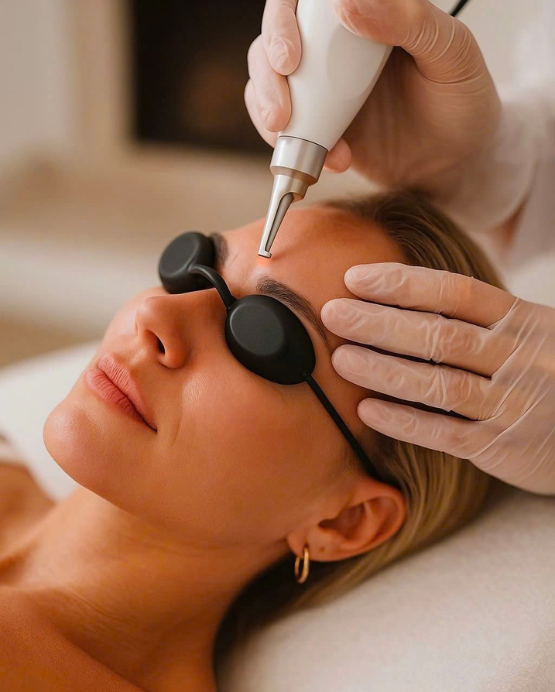
The laser tattoo removal procedure uses specialized laser equipment to target and break down the pigment in the tattoo. Here is an overview of the typical process:
Consultation: your medical history, skin type, and tattoo details are assessed to determine the appropriate laser settings.
Patch test (if needed): a small area may be tested to check skin reaction and confirm settings.
Eye protection: protective eyewear or shields are used if the tattoo is close to the eyes.
Cooling or numbing: a cooling gel/device and, in some cases, a numbing cream are used to minimize discomfort.
Laser treatment: short pulses of intense light are absorbed by pigment, breaking it into smaller particles.
Disintegration of pigment: fragmented pigment is processed and eliminated by the immune system over several weeks.
Session duration: sessions typically last between 15 minutes to an hour, depending on size, color, and complexity.
After Care Instructions
- Keep the treated area clean: gently cleanse with mild soap and water; pat dry with a soft, clean cloth.
- Apply healing ointment: apply an antibacterial or healing ointment if your technician recommends it.
- Avoid sun exposure: protect from direct sunlight; use high SPF sunscreen if the area cannot be covered.
- Avoid scratching or picking: let scabs and dry skin fall off naturally.
- Keep the area dry: avoid swimming or soaking (e.g. hot tubs) during the initial healing period.
- Avoid tight clothing: wear loose-fitting clothing to reduce irritation and friction.
- No makeup or skincare products: avoid applying lotions, creams, or cosmetics directly on the treated area for a few days.
- Stay hydrated: hydrated skin tends to heal more efficiently.
- Follow technician instructions: adhere to any specific aftercare instructions given for your treatment.
- Avoid strenuous exercise: avoid activities that cause excessive sweating for a few days after treatment.
- Attend follow-up appointments: return to let the technician assess progress and adjust the plan if needed.
It is essential to follow these aftercare instructions to optimize results and minimize complications. If you have concerns or notice unusual reactions, contact your laser technician. Please be patient: complete results may take several sessions and weeks to become apparent.